pump
Why Proper Pump Selection Prevents Catastrophic Failures in Industrial Systems
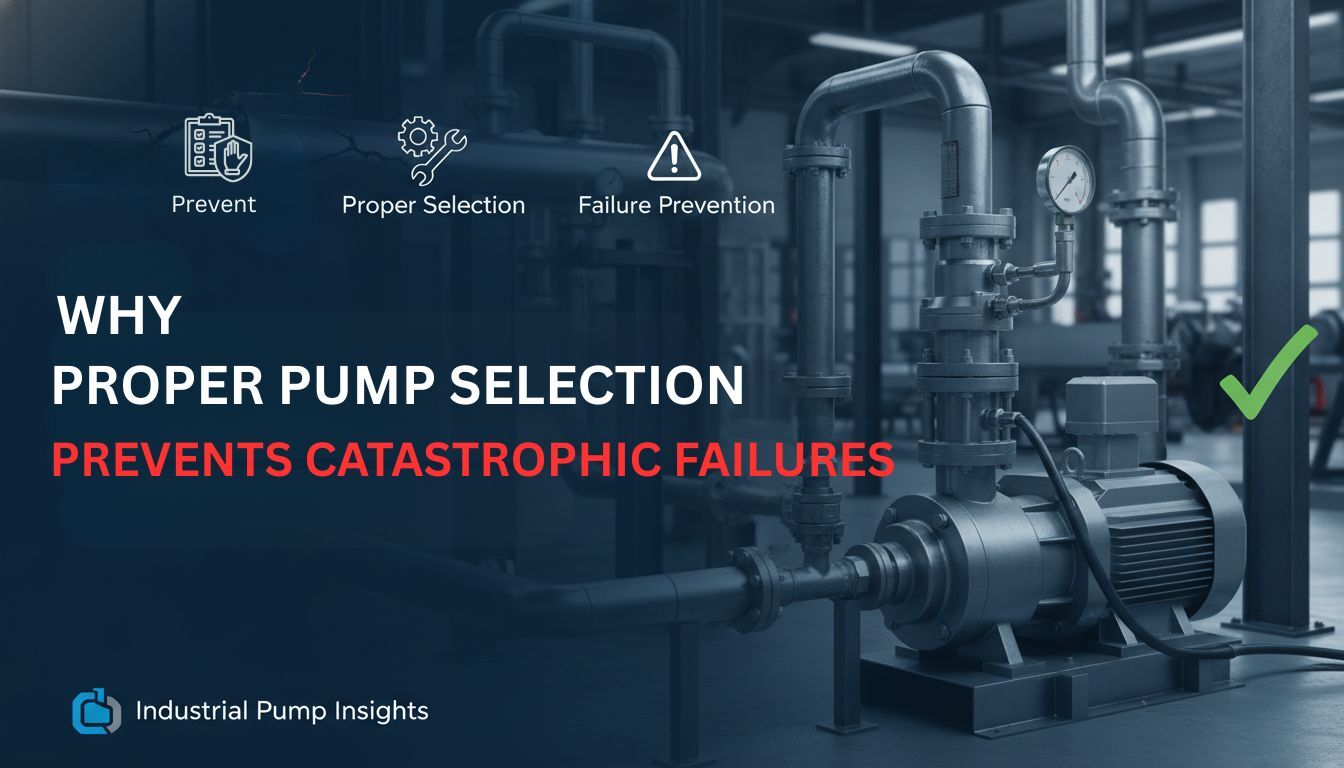
Despite the significance of pumps in industrial operations, the pump selection is often treated as a routine procurement task rather than a strategic decision. But choosing a pump is important in industrial systems, as it ensures the pump operates within an optimal range and prevents common issues that lead to premature wear, inefficient operation, and catastrophic failures.
Before visiting the manual hydro test pump manufacturer for a final purchase, understand the risks of improper pump selection and ensure you select an industrial pump that will perform reliably to prevent catastrophic failures.
Consequences of Improper Pump Selection
Mechanical Stress:
Selecting a pump that doesn't match the system requirements, such as pressure, fluid characteristics, and flow rate, can cause it to operate outside its optimal range. This leads to overheating, excessive vibration, and seal failures.
Cavitation:
When the system pressure drops below the fluid's vapour pressure, vapour bubbles form and then collapse violently, which leads to material degradation, with the impeller and housing eroding.
Mechanical Seal Leaks:
Incorrect pump selection can result in improper pressure management around the seals. Seal failures are a leading cause of downtime and potential environmental hazards in industrial systems.
Key Factors to Consider in Proper Pump Selection
Selecting the right pump from the hand-operated hydro test pump manufacturers in India includes a detailed assessment, and these factors to consider:
Operating Environment
An environment with extreme temperatures can cause overheating, accelerated wear, and seal failure. Therefore, using a pump without proper safety ratings can cause fires. So the safe and compliant operation of an industrial pump is only possible when the potential explosive atmospheres, ambient temperature, and power source available are safe.
System Demands
When inspecting a hydrostatic test pump, always check that its flow and pressure suit the system. If they don’t, the pump can be overstressed, leading to vibration, damage, or cavitation. Making sure the pump matches the system helps it run smoothly and avoids breakdowns, downtime, and expensive repairs.
Fluid Properties
All fluids behave differently, so treating them as water can damage a pump. Therefore, ignoring the fluid properties and adding the wrong pump type fails. Match the pump's material and design to the fluid to keep the system efficient, safe, and durable.
Selecting the right pump reduces energy use, extends equipment life, and improves reliability, resulting in efficient and cost-effective operation. Consulting an experienced pump manufacturer like Ambica Machine Tools during the design stage ensures all fluid transfer needs are properly addressed and helps prevent costly mistakes later.